How Orthopaedic Distributors Can Support National Health Systems
National health systems, such as the NHS in the UK, face mounting pressures: ageing populations, rising trauma cases, increasing demand for elective orthopaedic procedures, budget constraints, and the need for rapid adoption of innovative technologies. In this environment, specialist orthopaedic distributors play a vital strategic role. They bridge the gap between manufacturers and frontline clinicians, helping health systems improve patient outcomes, control costs, enhance efficiency, and maintain high standards of care.
LEDA Orthopaedics, a UK-based specialist distributor focused on upper limb trauma, hand and wrist solutions, and niche orthopaedic innovations, exemplifies how targeted distribution partnerships can meaningfully support national health systems. This article explores the challenges facing health systems in orthopaedics and outlines practical ways specialist distributors like LEDA contribute to more resilient, effective, and innovative care delivery.
The Pressures on National Health Systems in Orthopaedics
Modern health systems grapple with several interconnected challenges:
- Growing Demand: An ageing population drives higher volumes of trauma and degenerative conditions requiring surgery. Upper limb fractures, wrist injuries, and complex trauma cases are particularly common.
- Waiting List Backlogs: Long waits for elective and trauma-related procedures can lead to worse outcomes, increased complications, and higher long-term costs.
- Cost Control: Health systems must balance quality with affordability, seeking value-based solutions that reduce complications, shorten hospital stays, and speed recovery.
- Innovation Adoption: New implants, minimal invasive techniques, and improved instrumentation often face barriers in procurement, training, and integration.
- Supply Chain Reliability: Ensuring consistent availability of high-quality implants and instruments is critical for maintaining surgical schedules.
- Staff Training and Support: Surgeons and theatre teams need ongoing education on new technologies to maximise benefits.
- Sustainability and Efficiency: Reducing waste, streamlining inventory, and supporting day-case or enhanced recovery protocols are high priorities.
In this context, orthopaedic distributors are far more than simple suppliers. They act as partners that help health systems navigate these challenges.
Key Ways Orthopaedic Distributors Support National Health Systems
Specialist distributors like LEDA Orthopaedics provide value across multiple dimensions:
1. Providing Access to Specialised and Niche Innovations
Every procedure is patient- and case-specific, meaning clinicians often require specialist, forward-looking products to achieve the best possible outcomes. While national tenders typically prioritise broad-line suppliers based on cost and product breadth, these suppliers can be limited in their ability to focus on premium, high-performance solutions within contracted pricing structures. Specialist distributors help address this need by providing access to innovative products and expertise in areas such as:
- Upper limb trauma plating systems
- Advanced wrist and hand fixation
- Pelvic reconstruction options
- Joint replacement solutions for specific indications (e.g., thumb base arthroplasty)
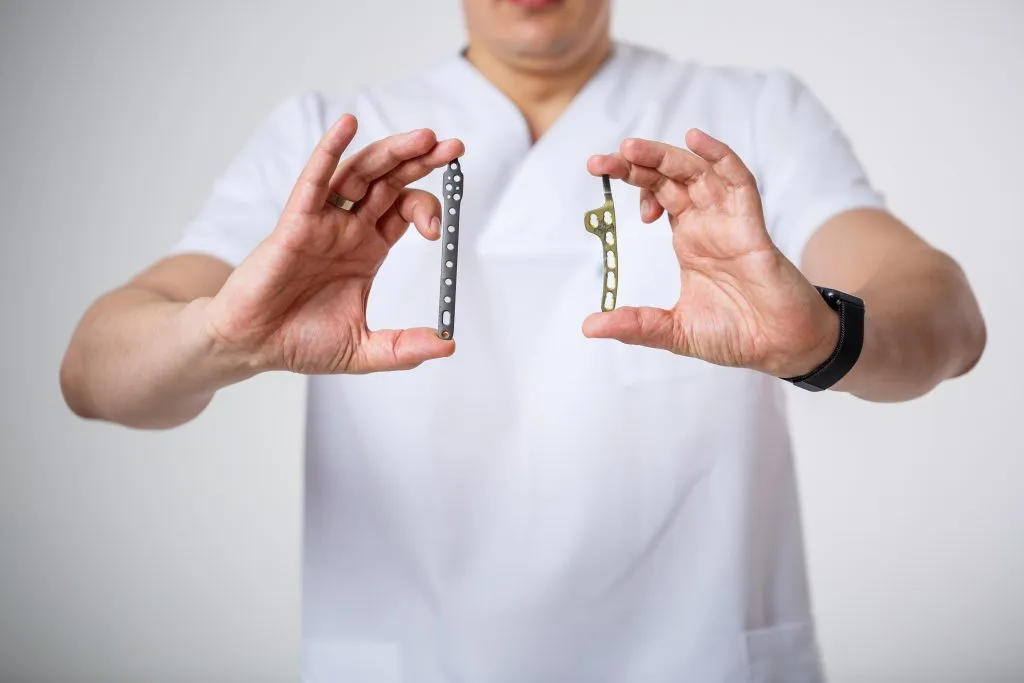
LEDA’s portfolio includes devices like the SD Proximal Humerus Plate, GEMINUS Distal Radius Volar Plate, ALIGN Radial Head Replacement, MAÏA™ Carpometacarpal Prosthesis, and the Phoenix Pelvic Reconstruction System. These implants support stable fixation, anatomical restoration, and earlier mobilisation—directly contributing to shorter recovery times and better functional outcomes.
2. Enhancing Supply Chain Resilience and Efficiency
Distributors maintain local stock, offer rapid response to urgent trauma cases, and provide flexible procurement options. This helps hospitals reduce inventory holding costs while ensuring implants are available when needed—critical for trauma surgery where delays are unacceptable.
3. Supporting Clinical Education and Training
Successful adoption of new implants requires hands-on training, technique guides, and ongoing support. LEDA is committed to delivering high-quality clinical education and proudly supports a wide range of advanced cadaveric courses, educational events, and exhibitions across the UK.
LEDA works closely with surgeons, providing:
- Cadaveric workshops
- Theatre support during initial cases
- Educational resources on post-operative protocols
- Best-practice sharing across hospital sites
This investment in education helps health systems accelerate safe uptake of advanced techniques and maximise return on investment in new technologies. Visit our Events page to explore upcoming courses and educational events.
4. Promoting Value-Based Care and Cost Savings
By enabling:
- More stable fixation → fewer revisions and complications
- Earlier mobilisation → reduced length of stay
- Minimally invasive options → faster recovery and lower infection risk
Specialist distributors help deliver better outcomes at potentially lower overall cost. For national systems managing tight budgets, this value proposition is compelling.
5. Facilitating Innovation and Research Collaboration
Distributors often serve as the link for investigator-led studies, product feedback, and iterative improvements. LEDA’s focus on trauma and upper limb solutions supports clinical teams in evaluating and refining techniques that can inform national guidelines.
6. Sustainability and Service Excellence
Modern distributors help health systems meet environmental targets through efficient logistics, reduced packaging waste, and supporting reusable instrumentation where appropriate. Reliable customer service ensures minimal disruption to operating lists.
At LEDA, exceptional service is at the heart of everything we do. From our responsive Speed Dial Service and efficient logistics to our highly knowledgeable sales team, education support and expert in-theatre case support, we work closely with customers to deliver a seamless experience at every stage.
Case for Specialist Distributors in Trauma and Upper Limb Care
Upper limb and hand trauma represent a significant burden on health systems. These injuries affect working-age patients particularly hard, impacting productivity and quality of life. Specialist solutions in this area—such as fragment-specific wrist plating or anatomically designed shoulder systems—can make a disproportionate difference to recovery timelines.
LEDA Orthopaedics’ targeted approach allows health systems to access best-in-class options without the overhead of engaging multiple international manufacturers directly. This streamlined partnership model reduces administrative burden while ensuring clinical needs are met with precision.
Overcoming Barriers to Effective Partnership
For maximum impact, health systems and distributors should focus on:
- Transparent value assessment beyond unit price
- Collaborative forecasting for trauma demand
- Joint training programmes with therapy teams
- Data sharing on outcomes to support continuous improvement
- Flexible contracting models that align with national priorities
The Strategic Importance of Specialist Orthopaedic Distributors
In an era of increasing specialisation, national health systems benefit from a mix of large-scale suppliers and agile, expert distributors. Companies like LEDA Orthopaedics bring deep domain knowledge, rapid responsiveness, and a commitment to niche innovation that complements broader procurement frameworks.
Their support helps:
- Reduce waiting times through reliable supply and efficient procedures
- Improve patient outcomes in high-volume trauma areas
- Control long-term costs via fewer complications
- Foster innovation adoption within constrained environments
- Strengthen overall resilience of orthopaedic services
Partnering for a Stronger Health System
Orthopaedic distributors have evolved into essential collaborators. They do much more than deliver implants—they help design better care pathways, support clinical teams, and contribute to the sustainability of national health services.
LEDA Orthopaedics stands ready to support NHS trusts, independent hospitals, and surgical teams across the UK with specialist upper limb trauma, hand, wrist, and innovative orthopaedic solutions. By combining high-quality products with dedicated service and education, LEDA helps health systems deliver excellent care even under pressure.
If your organisation is looking for reliable, specialist support in trauma and upper limb orthopaedics, contact LEDA Orthopaedics today.
Visit https://ledaortho.com/ to explore their portfolio and discover how a focused distributor partnership can strengthen your orthopaedic services.