Different types of radial head fractures
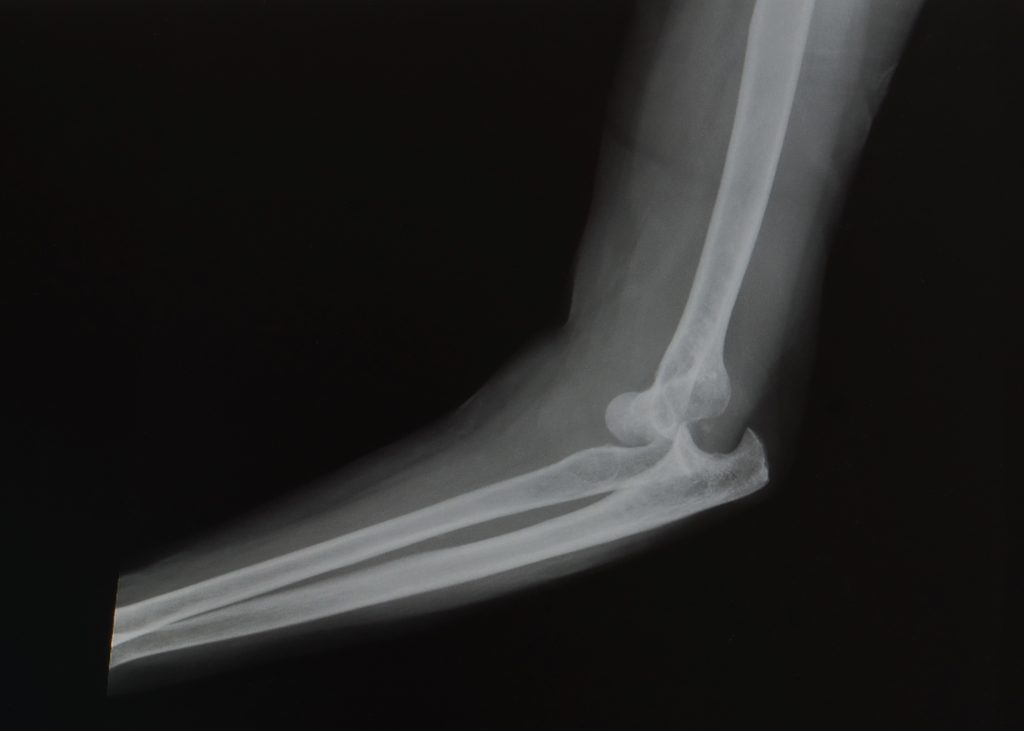
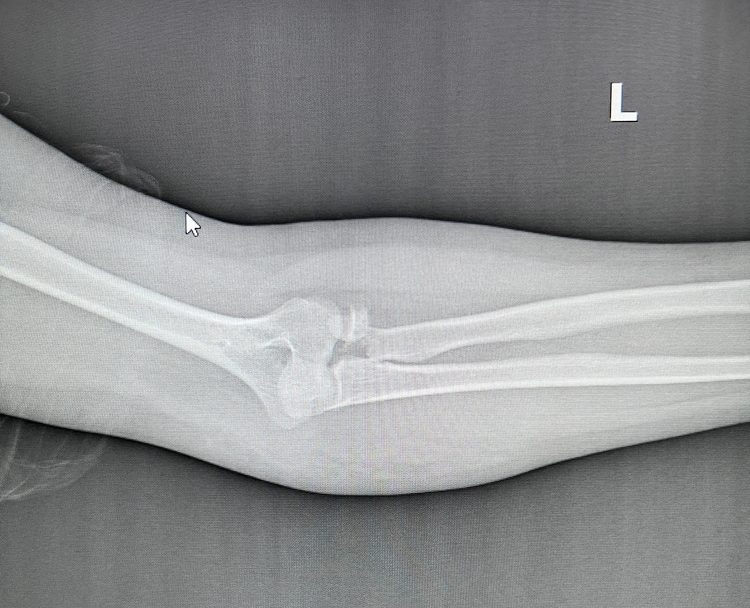
Radial head fractures are a common type of intra-articular elbow fracture that are typically caused by falling onto your arm when it is outstretched. There are three types of radial head fractures and the type of fracture you have can influence the best treatment option for your elbow. In this guide, we’ll be exploring what the different types of radial head fractures are and other key information you need to know about them.
What is the radial head?
The radial head is the disc shaped part of your radius that sits at the top of the bone between where the radius meets the elbow. Fractures of the radial head are some of the most common types of elbow trauma injuries as it is a natural reaction to put your hands out when you fall.
When doing so, the force from the fall can travel up the forearm and dislocate your elbow and fracture the radial head. Many acute elbow injuries involve a radial head fracture and they are also commonly associated with elbow dislocations.
What are the symptoms of a radial head fracture?
If you think you might have fractured your radial head, you should check for the following symptoms:
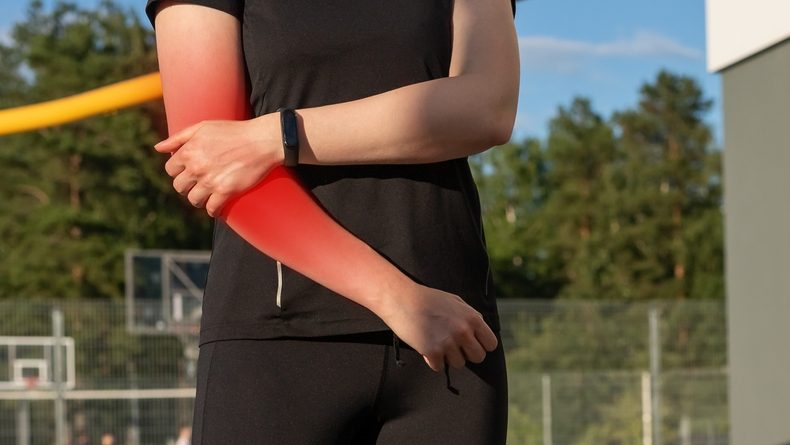
- Inflammation in the elbow joint
- Discomfort on the outer side of the elbow
- Difficulty and pain when bending or straightening the elbow
- Struggling to turn or a complete inability to turn your forearm, in either direction
The types of radial head fractures and how to treat them
Types of fractures are categorised by how far out of place the bones are and the number of fragments the fracture has caused. These factors will also dictate how the fracture will be treated. Clinical studies have shown that radial head prostheses that align with a patient’s forearm axis of rotation are effective in arthroplasty procedures.
Type 1 fractures
If you have a type 1 fracture, the bone pieces are likely still together with no displacement and typically there are only small cracks in the bone. This type of fracture isn’t always visible initially on an X-ray but is more likely to be seen if the X-ray is taken roughly 3 weeks after the injury. Surgical treatment probably won’t be required, with many type 1 fractures being resolved through the use of a splint or sling for a relatively short period.
Along with exercises to gradually increase elbow and wrist movement, each case will vary, and healing will occur at different stages depending on how much pain the fracture is causing. If you try too much movement too quickly, the bones can move and become displaced, so a lot of care needs to be taken to ensure safe and correct recovery.
Type 2 fractures
Type 2 fractures involve a slight displacement and a larger piece of bone being broken. Depending on how displaced the elbow is, treatment can be similar to a type 1 fracture and involves wearing a sling or splint for a few weeks, as well as some exercises to improve range of motion. A small surgical procedure might be needed to remove bone fragments if they could cause long-term problems or restrict normal elbow movement.
If the large fragment is out of place, the first treatment approach will be to hold the bones together using screws and/or a plate. If this cannot be done, the broken pieces of the radial head will need to be removed. Any other soft tissue injuries like a torn ligament will be corrected where necessary.
Type 3 fractures
Type 3 fractures are the most serious type of radial head fracture and will have several broken bone pieces that won’t be able to be fixed to heal properly. Most type 3 fractures of the radial head also have substantial damage to the elbow joint and surrounding ligaments. Surgery will be a must for this type of fracture and an artificial replacement radial head can be required if the damage is severe enough to warrant the removal the radial head. To avoid stiffness and aid in recovery, early movement to stretch and bend the elbow will be necessary.
The ALIGN® Radial Head Replacement system has many features that make it ideal for use in radial head replacement surgery. For example, its digital stem flutes are proven to be effective at granting rotational stability and the monoblock can be customised to fit with patient anatomy. Contact us if you’d like more information regarding the ALIGN system.
Recovering from a radial head fracture
If your radial head fracture requires surgery to repair or replace, you won’t be able to put any weight on the arm or lift heavy objects for around 6 to 12 weeks. You might need a splint of cast for some of your recovery depending on the pattern of the fracture and other elbow injuries. The eXo Elbow Splint allows for small movement while keeping the arm stable for healing. Also, no matter what type of fracture you have, some exercises will be prescribed to help restore a better range of movement to the elbow and build up the strength of the joint. This will support your healing and ensure your elbow is functioning as it should with no pain or discomfort before you fully resume your normal activities. Patient recovery times will vary depending on a variety of factors such as age and underlying health conditions.
Conclusion
Hopefully, this guide has given you a greater insight into the different types of radial head fractures and the treatment options available. As a specialist orthopaedic distributor, LEDA Orthopaedics provide innovative and beneficial medical solutions to orthopaedic surgeons. This includes the ALIGN radial head system and PROTEAN Fragment Plates from Skeletal Dynamics, among others. Contact us today to learn more about our elbow and shoulder products.