11th November 2026
London Corona Club
The Don, London, 19-23 St Swithins Lane, London, EC4N 8AD
Features
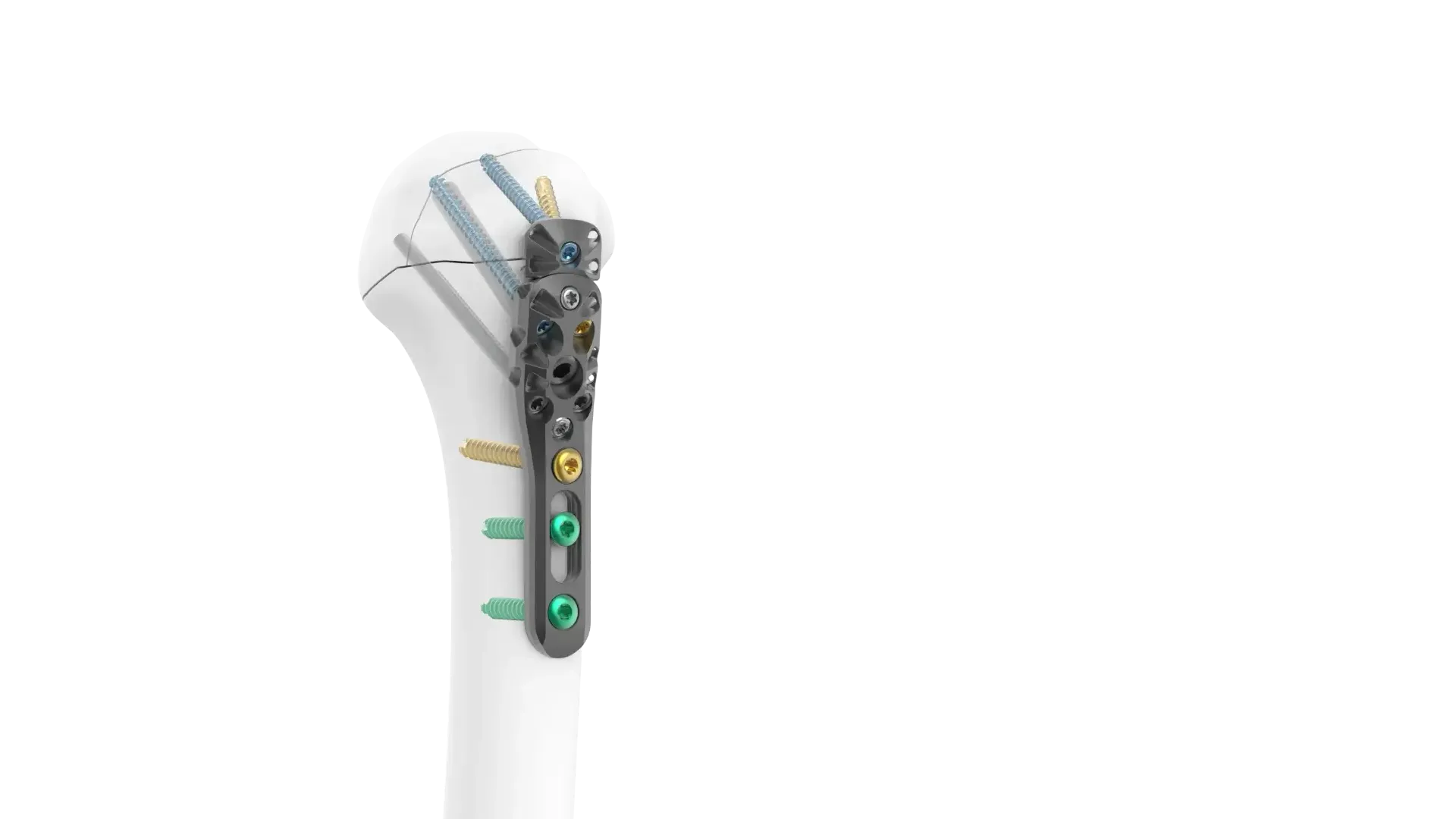
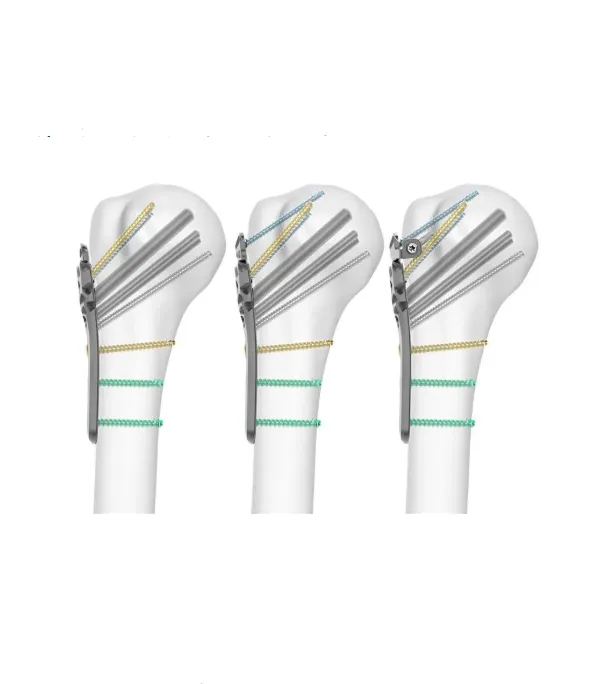
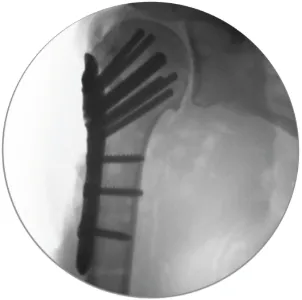
Designed by Skeletal Dynamics, the Proximal Humerus Fixation System has transformed the treatment of proximal humerus fractures. In complex cases where surgery is required, the anatomically contoured plate can be fixed to the proximal humerus, its powerful central peg surrounded by divergent screws providing exceptional stability and resistance to varus collapse. Patients benefit from reliable fixation that recreates natural load sharing and supports early mobilisation.
The Proximal Humerus Fixation System combines an innovative central peg design with a low-profile, deltoid-sparing plate to minimise impingement and soft-tissue complications. Blunt-tipped fixation options reduce the risk of articular surface penetration, while naturally divergent screw trajectories accommodate varying patient anatomies.
Interested in a Proximal Humerus Fixation System?
We are a leading supplier of Skeletal Dynamics products in the UK. If you would like more information regarding the Proximal Humerus Fixation System, get in touch with our team today.
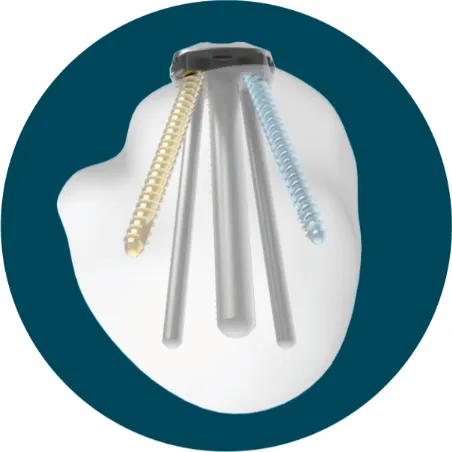
Proximal Humerus Fixation System features a robust central peg that recreates natural load sharing and delivers powerful resistance to varus collapse.
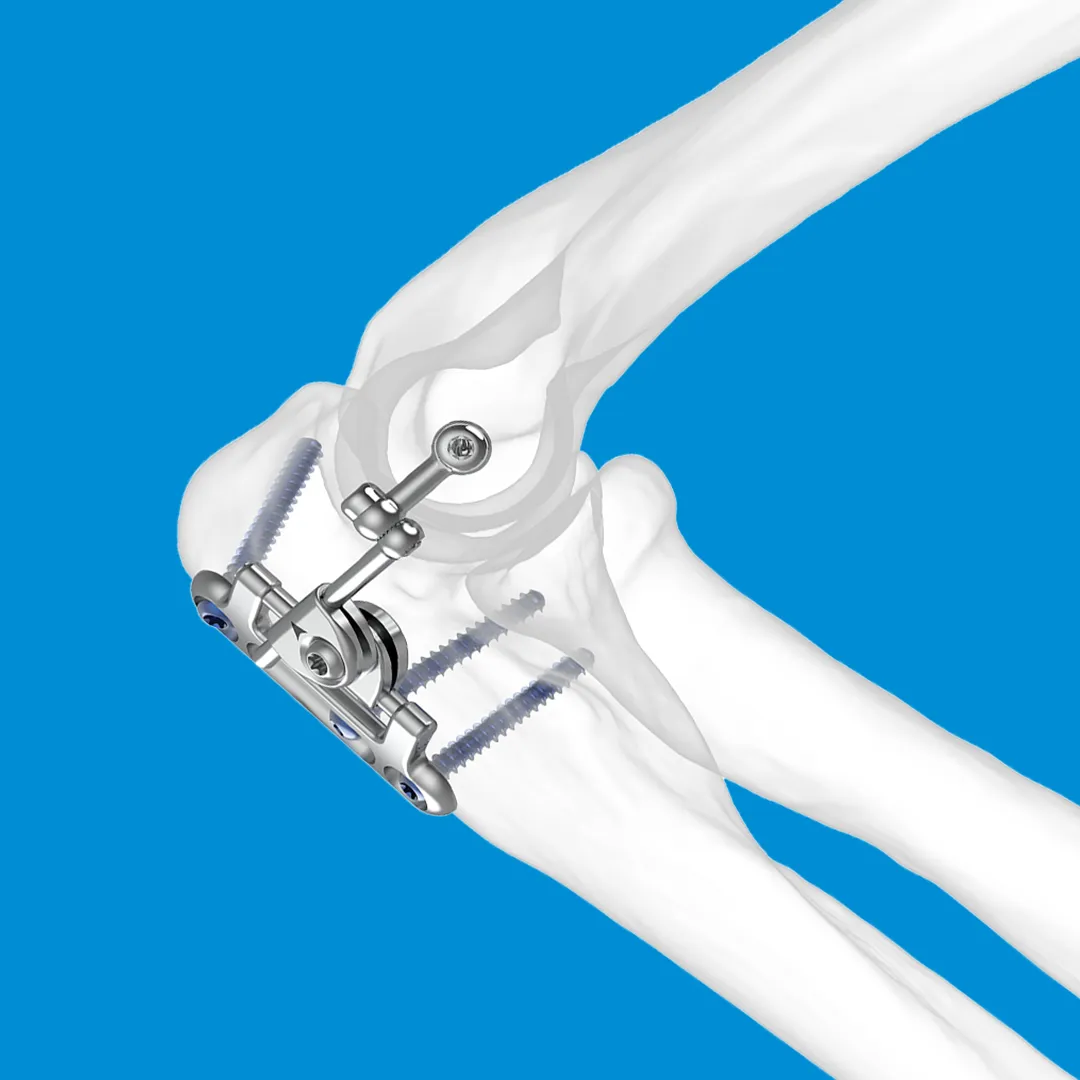
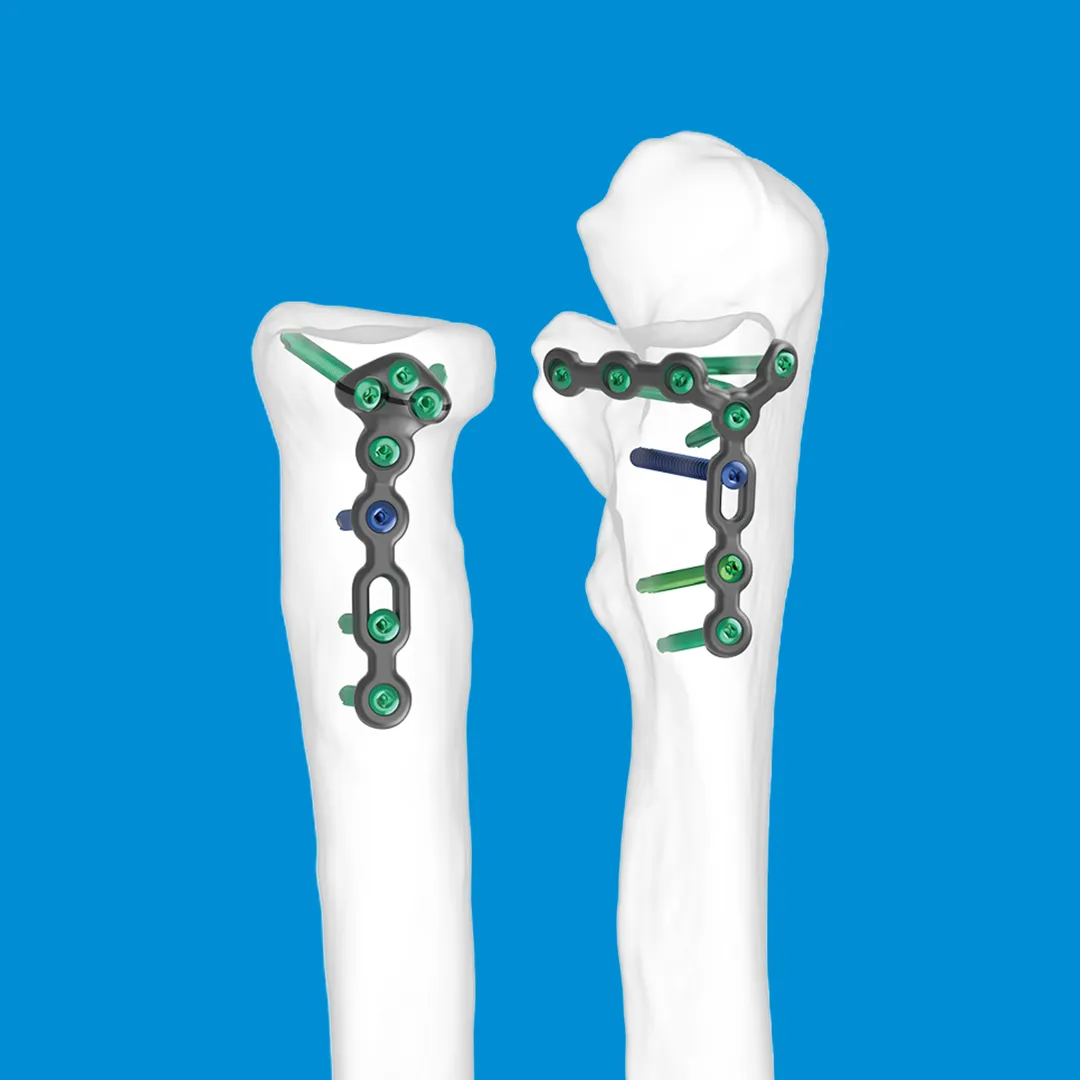

Founded in 2007 by Dr Jorge Orbay, MD, Skeletal Dynamics set out to provide innovative, science-based solutions to solve and understand the clinical challenges of upper extremity surgery and unmet clinical needs. Skeletal Dynamics is the only medical device company that is 100% solely focused on the upper extremities. Distributors of Skeletal Dynamics are selected based on individual integrity, industry experience and clinical knowledge and LEDA is proud to be the leading distributor in the UK for Skeletal Dynamic products including:
Titanium alloy plates and screws for durable, biocompatible fixation
Robust 6.0mm central smooth locking peg at 135° for powerful subchondral support and resistance to varus collapse
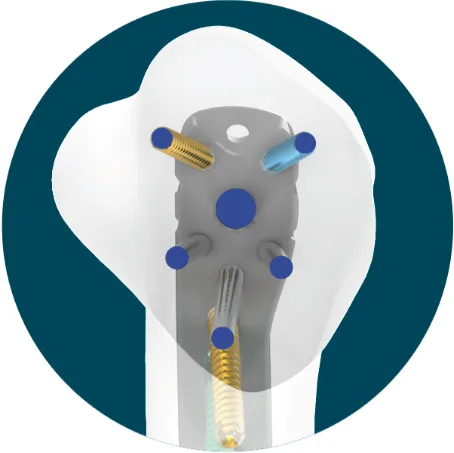
Multiple head fixation options including 3.5mm variable angle locking screws, 3.7mm metaphyseal locking and compression screws, and 3.5mm/6.0mm smooth locking pegs
FREEFIX® technology in 4.5mm shaft screws for flexible compression and locking
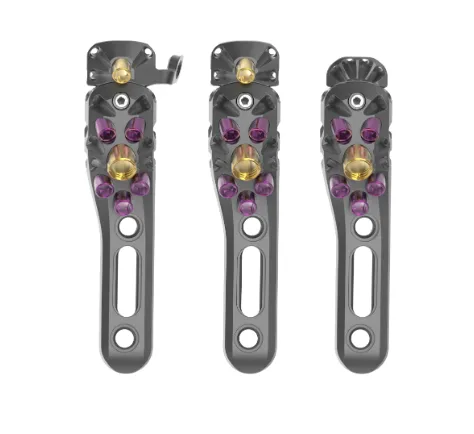
Left and right anatomically contoured plates (straight and curved configurations) to match patient anatomy and reduce impingement
Blunt-tipped pegs and screws to minimize risk of articular surface penetration
Naturally divergent screw trajectories for enhanced stability across varying anatomies
One-Part Fracture
One-part fractures (also called minimally displaced or non-displaced) involve fracture lines but no segment is significantly displaced (less than 1 cm separation or less than 45° angulation). These are the most common type and often stable due to soft tissue attachments like the rotator cuff and capsule.
Two-Part Fracture
Two-part fractures occur when one segment is displaced more than 1 cm or angulated more than 45°. Common patterns include:
Three-Part Fracture
Three-part fractures involve two displaced segments plus the shaft, typically one tuberosity and the surgical neck. This creates rotational deformity of the humeral head due to unopposed muscle pull from the remaining attached tuberosity. These are more unstable and often require surgical consideration.
Four-Part Fracture
Four-part fractures are the most severe, with all four segments (humeral head, greater tuberosity, lesser tuberosity, and shaft) displaced. They carry a high risk of complications like avascular necrosis of the humeral head due to disrupted blood supply.
Head-Splitting Fracture
Head-splitting fractures involve a split through the articular surface of the humeral head, often combined with other patterns like dislocation or impaction. These are complex and may damage the joint surface significantly.
Fracture-Dislocation
Fracture-dislocations combine a proximal humerus fracture with glenohumeral joint dislocation (commonly anterior or posterior). They require urgent reduction and often surgical stabilization due to instability and associated soft tissue damage.