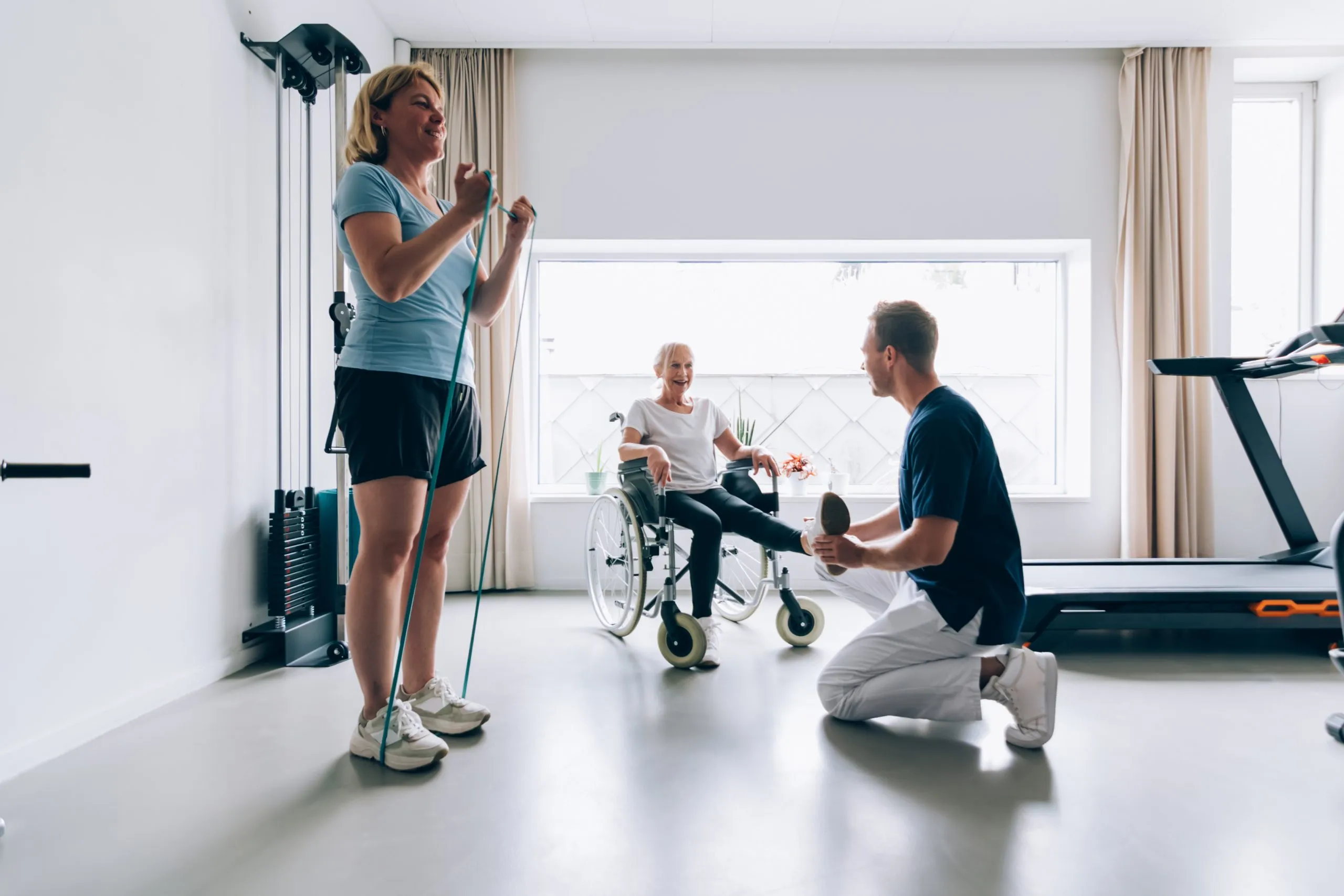
Orthopaedic Rehabilitation: Best Practices After Internal Fixation
In the world of orthopaedic surgery, internal fixation stands out as a cornerstone procedure for treating complex bone fractures. This surgical technique involves the use of metal implants, such as plates, screws, rods, or pins, to stabilise broken bones and promote proper healing. Commonly referred to as open reduction and internal fixation (ORIF), it allows surgeons to realign fractured bone fragments and secure them in place, enabling patients to regain function more effectively than with conservative methods alone. At LEDA Orthopaedics, a leading UK-based distributor specialising in upper limb trauma, hand and wrist solutions, and niche orthopaedic devices, we understand the critical role that post-surgical rehabilitation plays in achieving optimal outcomes. With over a decade of experience distributing innovative products like the Skeletal Dynamics ALIGN Radial Head System and Groupe Lepine’s MAÏA Carpometacarpal Prosthesis, LEDA is committed to supporting surgeons and patients through every stage of recovery.
Orthopaedic rehabilitation after internal fixation is not just about healing the bone, it is about restoring mobility, strength, and quality of life. Poorly managed rehab can lead to complications like stiffness, muscle atrophy, or delayed union of the fracture site. Conversely, following evidence-based best practices can accelerate recovery, reduce pain, and minimise the risk of re-injury. This blog explores the best practices for rehabilitation following internal fixation surgery, drawing on current orthopaedic guidelines and insights from clinical experts. Whether you are recovering from a proximal humerus fracture, ankle trauma, or elbow reconstruction, these strategies can help you navigate the path to full recovery.
Understanding Internal Fixation and Its Implications for Rehab
Internal fixation surgery is typically indicated for displaced or unstable fractures where casting alone will not suffice. During the procedure, surgeons make an incision to access the bone, reduce the fracture (realign the pieces), and apply internal hardware for stabilisation. This approach is common in orthopaedic trauma cases, including those involving the upper extremities, lower limbs, and spine. For instance, in upper limb trauma, a focus area for LEDA Orthopaedics, devices like proximal humerus plates or radial head implants are used to address comminuted fractures or fracture-dislocations.
Post-surgery, the bone begins a natural healing process known as fracture consolidation, which can take 6-12 weeks or longer depending on factors like age, nutrition, and the fracture’s severity. However, rehabilitation must start early to prevent secondary issues. According to orthopaedic surgery guidelines from institutions like the Cleveland Clinic, early mobilisation is key to avoiding joint contractures and promoting blood flow, which aids bone healing. Yet the rehab protocol must be tailored to the specific fixation method and site. For example, weight-bearing restrictions are often stricter for lower limb ORIF, while upper limb cases emphasise range of motion (ROM) exercises to combat stiffness.
The success of internal fixation relies heavily on patient compliance with post-operative rehabilitation protocols. Studies in journals like the Journal of Bone and Joint Surgery highlight that non-adherence can increase complication rates by up to 30%. This underscores the need for a multidisciplinary approach involving surgeons, physical therapists, and patients.
The Importance of Rehabilitation in Post-Surgical Recovery
Rehabilitation after orthopaedic surgery is not optional, it is essential. It addresses the multifaceted impacts of surgery, including pain, swelling, muscle weakness, and limited mobility. Enhanced recovery after surgery (ERAS) protocols, which have gained traction in orthopaedic care, emphasise early intervention to shorten hospital stays and improve long-term functional outcomes.
In the context of internal fixation, rehab helps integrate the hardware with the body’s natural processes. Bone fracture recovery involves phases like inflammation, soft callus formation, hard callus development, and remodelling. Physical therapy protocols support these by encouraging controlled stress on the bone, which stimulates osteogenesis (bone formation). Without proper rehab, patients risk malunion (improper healing), non-union (failure to heal), or hardware failure.
Moreover, orthopaedic rehabilitation addresses psychological aspects. Surgery can be daunting, and the recovery period often involves frustration or anxiety. Incorporating mental health strategies, such as goal-setting and positive reinforcement, can boost compliance. At LEDA, we partner with clinicians to provide educational resources on these topics, ensuring patients are well-informed about their post-op journey.
Phases of Orthopaedic Rehabilitation After Internal Fixation
A structured rehabilitation program is divided into phases, each with specific goals and precautions. These are based on guidelines from organisations like the American Physical Therapy Association and tailored to the patient’s progress.
Phase 1: Immediate post-operative (0-2 Weeks)
The focus here is on protection and pain management. After internal fixation surgery, patients are often immobilized with slings, braces, or casts to allow initial healing. Best practices include:
- Pain and Swelling Control: Use ice therapy, elevation, and prescribed medications. Avoid anti-inflammatory drugs if they interfere with bone healing, as advised by your orthopaedic surgeon.
- Gentle Mobility: Non-weight-bearing exercises like pendulum swings for shoulder ORIF or ankle pumps for lower limb fixation promote circulation without stressing the site.
- Wound Care: Monitor for signs of infection, a common complication in post-surgical recovery.
Physical therapists may introduce passive ROM to prevent adhesions. For upper limb cases, like those using LEDA’s distributed SD Proximal Humerus Plate, early gentle motion is encouraged to maintain shoulder function.
Phase 2: Early Rehabilitation (2-6 Weeks)
As swelling subsides and initial healing occurs, the emphasis shifts to regaining ROM and light strengthening. Key best practices:
- Progressive ROM Exercises: Active-assisted movements, such as wall walks for shoulder rehab or heel slides for knee/ankle ORIF, help restore flexibility. Aim for gradual increases to avoid overstress.
- Weight-Bearing Progression: For lower limb internal fixation, transition from non-weight-bearing to partial weight-bearing as per surgeon’s orders. Crutches or walkers are essential tools.
- Muscle Activation: Isometric exercises (contracting muscles without movement) build strength around the fracture site. For example, quad sets after tibial plateau fixation.
Research from PMC articles stresses early weight-bearing to enhance bone density and reduce osteoporosis risk. However, always follow individualized physical therapy protocols to prevent complications.
Phase 3: Intermediate Rehabilitation (6-12 Weeks)
This phase focuses on functional restoration. Patients typically see significant improvements in mobility.
- Strengthening Programs: Incorporate resistance bands or light weights. For hand and wrist trauma, areas where we excel with products like the MAÏA Prosthesis, grip strengthening and dexterity exercises are vital.
- Balance and Proprioception Training: Essential for lower limb recovery, using tools like balance boards to improve stability and prevent falls.
- Cardiovascular Conditioning: Low-impact activities like swimming or stationary biking maintain overall fitness without jarring the fixation site.
Ongoing monitoring for complications, such as hardware irritation or heterotopic ossification, is crucial. Physiotherapy after tibial plateau fracture fixation, as per systematic reviews, shows that early ROM and weight-bearing lead to better outcomes than prolonged immobilisation.
Phase 4: Advanced Rehabilitation and Return to Activity (12+ Weeks)
The goal is fully functional recovery and return to daily activities or sports.
- Sport-Specific Training: For athletes, incorporate drills mimicking real-life demands.
- Maintenance Exercises: Long-term programs to sustain gains, including core stability work.
- Nutritional Support: Throughout all phases, emphasise bone-healthy nutrients like calcium, vitamin D, and protein to aid fracture healing.
Geriatric orthopaedic surgery and rehabilitation protocols adapt these phases for older patients, focusing on fall prevention and comorbidity management.
Best Practices For Optimal Outcomes
To maximise success in bone fracture rehabilitation:
- Adhere to Physical Therapy Protocols: Do not skip sessions. Consistency is key, as shown in surveys from the Journal of Orthopaedic & Sports Physical Therapy.
- Manage Pain Effectively: Use multimodal approaches, including medications, acupuncture, or TENS units.
- Nutrition and Lifestyle: A balanced diet supports tissue repair. Avoid smoking, which delays healing by 20-30%.
- Monitor Progress: Regular follow-ups with your orthopaedic team track X-ray evidence of union.
- Patient Education: Understand precautions, like avoiding high-impact activities until cleared.
For specialised cases, such as upper limb internal fixation, LEDA’s consultative approach ensures access to innovative devices that facilitate early rehab.
Tips for Patients Undergoing Post-Operative Rehabilitation
- Trust your medical team and communicate openly about pain or concerns.
- Set realistic goals to stay motivated.
- Incorporate rest to prevent burnout.
- Use assistive devices properly to avoid compensatory injuries.
- Engage family for support in daily tasks.
Orthopaedic rehabilitation after internal fixation is a journey that demands patience, diligence, and expert guidance. By following these best practices, from early mobilisation to advanced strengthening, you can achieve a strong, functional recovery. At LEDA Orthopaedics, we are dedicated to advancing patient care through innovative solutions and partnerships. Visit https://ledaortho.com/ to learn more about our products and how we support orthopaedic excellence. Remember, successful recovery starts with informed choices and committed rehab.